
 English
  Deutsch
  Português
  Español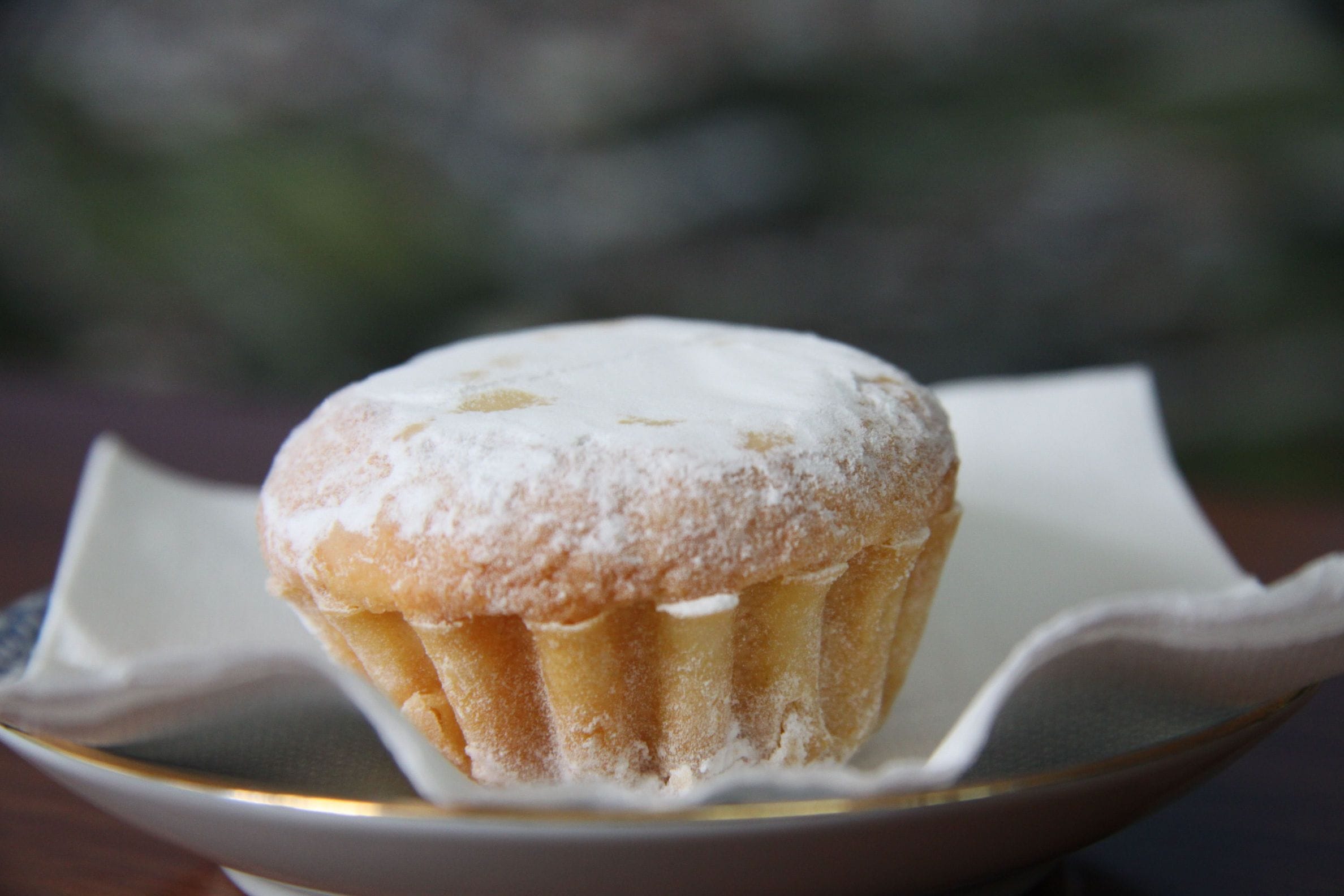
TEA ROUTE
In the parishes of São Brás and Porto Formoso, the specific terrain and the availability of water provided by the waterways that cross this territory have created the ideal conditions for tea production. The production and sale of tea, which began in the 19th century, was (and still is) a major source of wealth and employment. It is sometimes possible to participate in the traditional tea harvest and visit the factories to see the old production process. At the end, there is nothing like tasting a unique tea with an unforgettable flavor. Today, in addition to its historical and cultural value, tea production remains active, largely due to investment in the quality and differentiation of its products, with emphasis on the production of Gorreana and Porto Formoso.
THE PINEAPPLE KING
Introduced to the Azores in 1832, the pineapple is considered the King of Fruits, thanks to its “crown.” Registered since 1996 as a PDO (Protected Designation of Origin) Azores Pineapple, the characteristics and quality of this product are guaranteed.
There are around 230 pineapple producers, with more than 1,500 greenhouses scattered throughout the island of São Miguel. Between 700 and 1,000 tons of pineapple are produced annually. Some of the main farms are located in Laranjeiras and Fajã de Baixo.
REGIONAL STEAK | AZOREAN STEAK
Regional steak is probably the best known and most popular meat dish on the island of São Miguel and is available in practically every restaurant on the island.
The secret of this dish lies in the quality of the beef raised in the region, usually sirloin or tenderloin. It is always served with French fries and, almost always, with a fried egg on top. It is the most popular dish among tourists and residents alike.
Some of the restaurants most famous for their steak are Galego in São Roque, Alcides, Aliança, and Adega Regional in Ponta Delgada, and the restaurant of the Agricultural Association in Santana, Rabo de Peixe. It’s so good you’ll be left wanting more!
AZOREAN FISH
In the sea around the Azores, we can find what is considered one of the best fish in the world, the Azorean fish. Exported to the four corners of the globe, this fish is highly sought after for its purity and the traditional way in which it is caught.
You can eat good fish all over the island of São Miguel, but some of the best-known restaurants in this area are Mariserra in São Roque, Paladares da Quinta in Lagoa, Bar Caloura in Água de Pau, Cantinho do Cais in São Brás, and O Silva in Ribeira Grande. Always fresh and delicious!
BOCA DOCE | SWEET TOOTH
From cheesecakes to cakes, sweets, and other treats, São Miguel offers a wide variety and diversity of desserts.
Queijadas da Vila are typical convent cheesecakes, a recipe that was originally a secret of the nuns of the Convent of St. André in the 16th century. Today, we can visit the Queijadas da Vila factory in Vila Franca do Campo and taste this sublime convent sweet.
In Furnas, we find Bolos Lêvedos and Queijadas de Inhame das Furnas. While the cakes can be eaten plain or in sandwiches, the queijadas are ideal for dessert or to accompany a coffee.
Also in Povoação, there is a sweet made with choux pastry known as Fofa da Povoação, which is inspired by French eclairs.